 English
In modern industrial and commercial infrastructure, cable ties are essential components for organizing, securing, and protecting electrical wiring systems. Among all types available in the market, nylon cable ties and stainless steel cable ties dominate global demand due to their versatility, durability, and wide application coverage.
The rapid expansion of the nylon cable ties industry and stainless steel cable ties industry reflects increasing needs in construction, telecommunications, automotive manufacturing, solar energy systems, offshore engineering, and industrial automation. Buyers sourcing from a nylon cable tie supplier or a stainless steel cable tie factory must understand the technical differences before selecting the right product.
What Are Nylon Cable Ties?
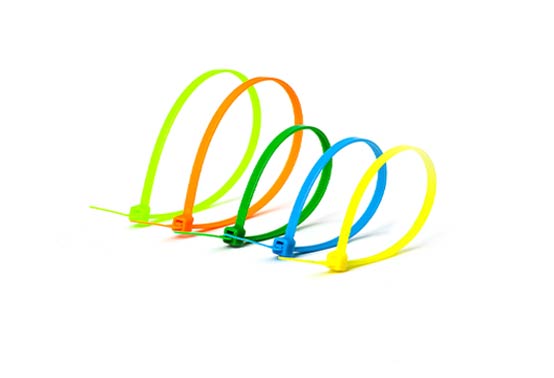
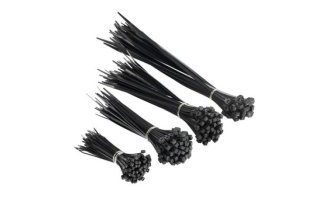
Nylon cable ties are self-locking fastening tools made primarily from Nylon 66, also known as PA66. They are designed to bundle cables, wires, hoses, and small components securely while remaining lightweight and cost-efficient.
These products are widely used in residential wiring, industrial control systems, telecommunications networks, automotive wiring harnesses, electrical cabinets, and general cable management applications.
Advantages of Nylon Cable Ties
Nylon cable ties remain the most widely used fastening solution due to several advantages:
· Low cost for bulk installation
· Excellent electrical insulation
· Lightweight and flexible design
· Easy manual installation
· Wide availability from nylon cable tie suppliers
· Suitable for indoor and controlled outdoor environments
Many global distributors rely on wholesale nylon cable ties sourced from a China nylon cable tie manufacturer to reduce procurement costs while maintaining stable quality.
Reusable and Releasable Nylon Cable Ties
In applications where flexibility is required, manufacturers offer to reusable nylon cable ties. These allow users to reopen and reuse the fastening system, making them ideal for temporary wiring, maintenance projects, and prototype installations.
Limitations of Nylon Cable Ties
Despite their versatility, nylon products have limitations:
· Moderate UV resistance
· Limited high-temperature performance
· Moisture absorption over time
· Lower tensile strength compared to steel
· Degradation in extreme outdoor environments
What Are Stainless Steel Cable Ties?
Stainless steel cable ties are heavy-duty fastening systems manufactured from corrosion-resistant stainless steel, commonly SS304 or SS316. They are designed for harsh environments where nylon ties may not provide enough strength, heat resistance, or corrosion protection.
Corrosion resistance data from Corrosion resistance data from metallurgical studies confirms that stainless steel performs exceptionally well in marine and chemical environments. This makes stainless steel cable ties ideal for offshore, oil and gas, renewable energy, heavy industrial, and outdoor infrastructure installations.
Types of Stainless Steel Cable Ties
Common stainless steel cable tie variants include stainless steel 304 ball lock cable ties, PVC coated stainless steel cable ties, naked stainless steel cable ties, and reusable stainless steel cable ties. These products are commonly supplied by a stainless steel cable tie factory for industrial and export markets.
Advantages of Stainless Steel Cable Ties
Stainless steel cable ties offer superior performance in demanding environments.
· Extremely high tensile strength
· Excellent corrosion resistance
· High temperature resistance
· UV and weather durability
· Long service life (often decades)
· Suitable for marine and offshore use
They are widely used in oil & gas, chemical processing, power plants, and renewable energy systems.
Limitations of Stainless Steel Cable Ties
· Higher initial cost
· Requires installation tools
· Not electrically insulated
· Heavier than nylon alternatives
· Less flexible in tight installations
Key Differences Between Nylon and Stainless Steel Cable Ties
Material Comparison
Property | Nylon 66 Cable Ties | Stainless Steel Cable Ties |
Tensile Strength | Up to 250 lbs | Up to 600+ lbs |
UV Resistance | Good (UV Grade) | Excellent |
Corrosion Resistance | Moderate | Excellent |
Temperature Range | -40°C to 85°C | -80°C to 538°C |
Electrical Insulation | Yes | No |
Weight | Light | Heavy |
Cost | Low | High |
Strength Comparison
Strength is one of the most important differences:
Type | Tensile Strength Range |
Standard Nylon | 18–120 lbs |
Heavy Duty Nylon | Up to 250 lbs |
Stainless Steel | 250–600+ lbs |
For industrial environments requiring structural stability, stainless steel cable ties are significantly stronger.
Temperature Performance
Condition | Nylon | Stainless Steel |
Low Temperature | Good | Excellent |
High Temperature | Limited (85°C max) | Excellent (500°C+) |
Fire Resistance | Low | High |
Outdoor and UV Resistance
Outdoor installations require weather resistance. UV exposure significantly affects plastic materials, causing standard nylon cable ties to age, lose flexibility, or break over time. For this reason, UV-stabilized nylon products such as weatherproof zip ties are often used in outdoor projects.
However, stainless steel cable ties remain the best option for long-term outdoor exposure, especially in environments with strong sunlight, salt spray, chemical contact, high temperature, or continuous mechanical stress.
Manufacturing and Material Science
Nylon Cable Tie Manufacturing Process
The manufacturing process of nylon cable ties includes:
1. Nylon resin drying
2. Injection molding
3. Cooling and shaping
4. Lock mechanism formation
5. Quality inspection
6. Packaging
The nylon 66 price significantly impacts production costs and is influenced by global petroleum markets.
Stainless Steel Manufacturing
Stainless steel cable ties are produced through precision stamping, forming, and ball-lock assembly systems. Material grades like SS304 and SS316 are selected based on environmental requirements.
Applications of Nylon and Stainless Steel Cable Ties
Electrical and Electronics
Nylon cable ties are widely used for cable bundling in control panels, wiring systems, consumer electronics, appliances, and electrical cabinets because of their insulation properties and easy installation.
Telecommunications
Data centers and telecommunications networks use nylon plastic cable ties for structured cabling, helping ensure neat, organized, and easy-to-maintain installations.
Automotive Industry
Automotive wiring harnesses rely heavily on nylon cable ties because they provide flexibility, vibration resistance, and lightweight cable management for complex vehicle electrical systems.
Solar Energy Systems
Solar installations use both materials:
· Nylon for panel wiring
· Stainless steel for structural and long-term outdoor fastening
Marine and Offshore Applications
Only stainless steel cable ties are suitable due to saltwater corrosion resistance and extreme environmental exposure.
Market Trends
Nylon Cable Ties Market
The nylon cable ties market is growing due to:
· Construction industry expansion
· Consumer electronics demand
· Automotive production increase
· Global infrastructure development
Stainless Steel Cable Ties Market
The stainless steel cable ties market size is expanding due to:
· Renewable energy growth
· Offshore wind projects
· Industrial automation
· Oil & gas infrastructure
Key stainless steel cable ties market trends include demand for long-life, maintenance-free fastening systems.
How to Choose the Right Cable Tie
Environmental Conditions
· Indoor use → Nylon
· Outdoor UV exposure → UV nylon or stainless steel
· Marine/chemical → Stainless steel
Mechanical Requirements
· Light load → Nylon cable ties
· Heavy load → Stainless steel cable ties
Cost Efficiency
Factor | Nylon | Stainless Steel |
Initial Cost | Low | High |
Lifespan | Medium | Very Long |
Maintenance | Medium | Low |
Cable Tie Size Considerations
Nylon cable ties suppliers offer a wide range of sizes for different applications.
stainless steel cable ties sizes depend on:
· Width
· Load capacity
· Application environment
Which Cable Tie Should You Choose?
Application | Recommended Material |
Indoor Electrical Wiring | Nylon 66 |
Data Centers | Nylon 66 |
Automotive Wiring | Nylon 66 |
Solar Projects | UV Resistant Nylon |
Marine Installations | Stainless Steel 316 |
Oil & Gas Facilities | Stainless Steel 316 |
Chemical Plants | Stainless Steel |
Offshore Projects | Stainless Steel |
Expert Insight from HONT
Based on nearly 30 years of cable tie manufacturing experience, we recommend UV-resistant PA66 cable ties for most outdoor commercial projects. Stainless steel cable ties should be selected when installations are exposed to saltwater, chemicals, or temperatures beyond the limits of nylon materials.
Best Choice by Scenario
Need | Best Choice |
Lowest Cost | Nylon |
Electrical Insulation | Nylon |
Outdoor Use | UV Nylon |
Marine Environment | Stainless Steel |
Chemical Environment | Stainless Steel |
Maximum Strength | Stainless Steel |
Easy Installation | Nylon |
FAQs
Are stainless steel cable ties reusable?
Most stainless steel cable ties are not reusable, but reusable stainless steel cable ties are available for maintenance applications and temporary installations.
How do stainless steel cable ties work?
They use a ball-lock mechanism that prevents backward movement.
How to Tighten Stainless Steel Cable Ties?
Manual or tool-assisted tightening ensures correct tension.
How to Cut Stainless Steel Cable Ties?
Use dedicated metal cutters for safe removal.
How to Open Nylon Cable Ties?
Use releasable tab designs or release tools.
How to Remove Nylon Cable Tie?
Cut using side cutters or flush cutters.
Conclusion
Both nylon cable ties and stainless steel cable ties are essential in modern industrial systems.
· Nylon cable ties are ideal for cost-effective, lightweight, and insulated applications.
· Stainless steel cable ties are best for extreme environments requiring maximum strength and durability.
Selecting the right material depends on environment, load, and long-term cost considerations. Working with a reliable nylon cable tie manufacturer or stainless steel cable tie factory(/) ensures consistent quality and performance in global industrial applications.