 English
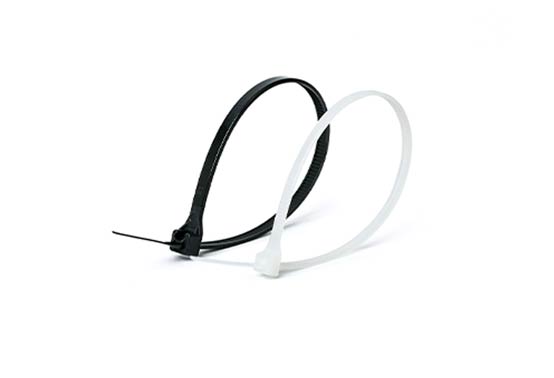
Cable ties are essential fastening components used in industrial, transportation, and infrastructure systems for bundling, securing, and organizing cables. In demanding environments, aircraft cable ties are engineered for higher durability, vibration resistance, and environmental stability.
Unlike standard fastening solutions used in general household applications, these industrial-grade ties are designed to maintain structural integrity under continuous vibration, temperature fluctuations, UV exposure, and long-term mechanical stress. As a result, they are widely used in transportation systems, outdoor infrastructure, machinery installations, and maintenance operations.
This guide explains the performance characteristics, load capacity, material differences, installation practices, environmental resistance, and real-world usage scenarios of cable ties.
What Are Aircraft Cable Ties Used For?
Aircraft cable ties are engineered fastening tools designed to secure wiring bundles and organize complex electrical systems in environments where reliability is critical. They are commonly used in industrial electrical systems, transportation equipment wiring, outdoor infrastructure, heavy machinery assemblies, maintenance operations, control system wiring, and equipment panel bundling.
These applications require stable fastening under vibration and environmental stress. Proper cable management reduces mechanical wear on wiring insulation, improves system organization, and increases long-term reliability.
In industrial environments, cable ties are often part of a larger cable management strategy that includes clips, mounts, conduits, protective sleeves, and other wiring accessories.
Cable Tie Strength and Load Performance
How Much Weight Can a Cable Tie Hold?
The load capacity of cable ties depends on multiple factors, including material composition, width, thickness, locking design, and manufacturing process. Cable ties are not designed for lifting or load-bearing applications. Instead, they are mainly used for bundling and securing cables under tension.
Mechanical performance is commonly evaluated under recognized testing and industrial standards. For example, the International Organization for Standardization provides standards and references related to transportation and industrial applications.
In real-world applications, thin nylon ties are usually used for light cable bundling and temporary fixes, standard nylon ties are suitable for general-purpose industrial use, heavy-duty nylon ties are used for high-tension cable systems, and stainless steel ties are preferred for extreme environments and high-strength requirements.
Cold Weather Performance of Cable Ties
Do Zip Ties Break in Cold Weather?
Yes, standard zip ties may become brittle in freezing temperatures. When exposed to low temperatures, nylon polymers lose flexibility, increasing the risk of cracking or sudden failure under stress.
Cold environments impact molecular flexibility, which directly affects elongation and tensile performance. This is especially important in outdoor installations, transportation infrastructure, and equipment exposed to frequent temperature changes.
Material safety and environmental performance of polymers are often evaluated under regulatory frameworks referenced by the European Chemicals Agency.
How to Tie Aircraft Cable
Proper installation is critical for ensuring long-term reliability and preventing cable damage in industrial systems. A cable tie should secure the cable bundle firmly without crushing insulation or creating excessive pressure points.
Installation Process
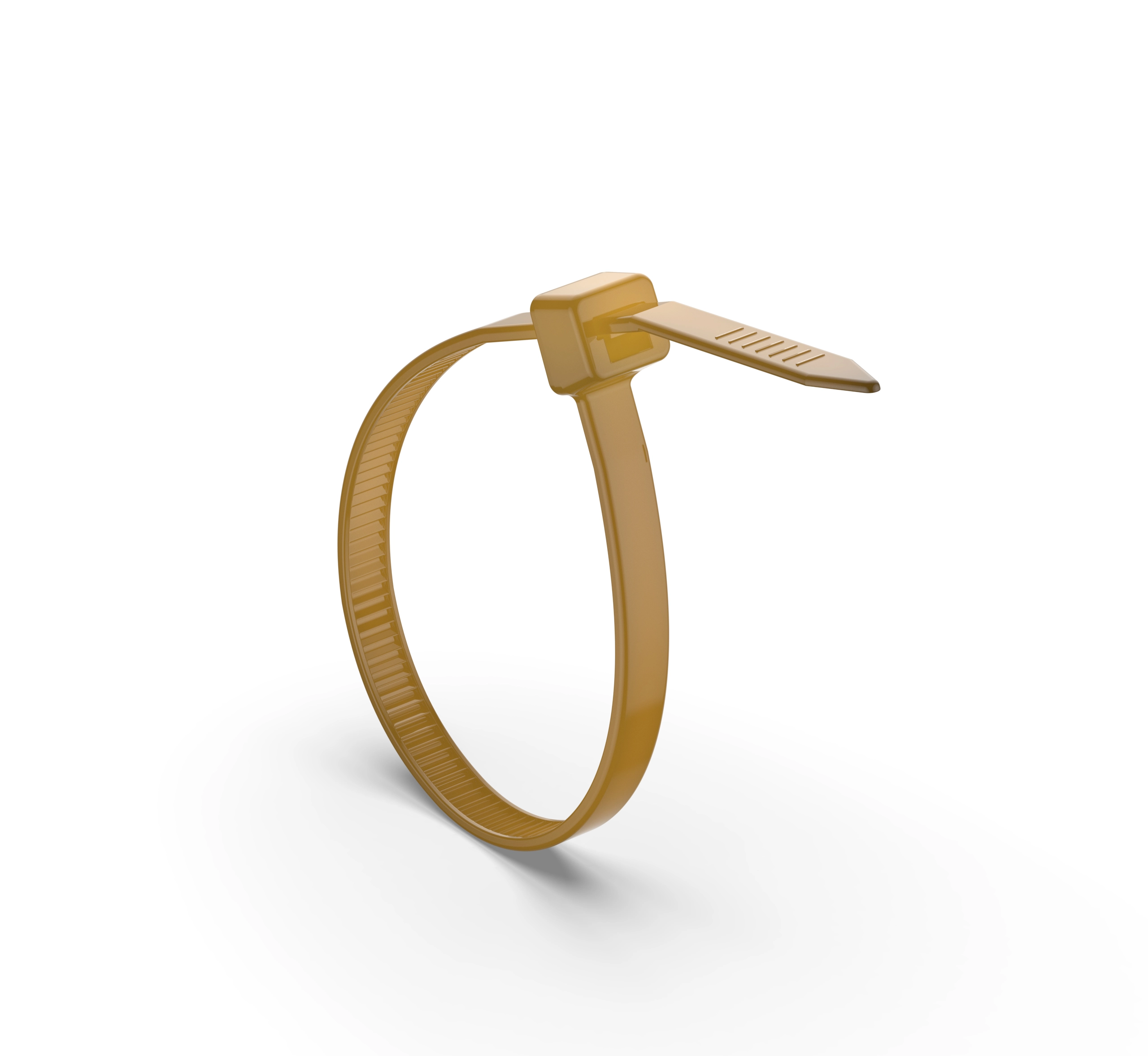
Position the aircraft cable tie around the cable bundle.
Insert the tail into the locking mechanism.
Pull gradually to tighten the tie evenly.
Avoid excessive tightening that may damage insulation.
Trim the excess tail after locking.
Improper installation can create pressure points, leading to insulation wear, reduced cable lifespan, or mechanical stress concentration. In professional environments, installation guidelines are often standardized to ensure consistency across maintenance teams and infrastructure projects.
Wire Zip Applications in Transportation Systems
Wire zip refers to the use of cable ties in structured wiring systems for organizing electrical routing and cable bundling. These applications are widely used in electrical control cabinets, machinery wiring assemblies, transportation systems, industrial automation equipment, and maintenance operations.
Wire zip systems help reduce cable clutter, improve airflow around electrical components, and simplify maintenance procedures by making cable identification and replacement easier.
Weather Resistant vs Standard Cable Ties
Weather-resistant cable ties are designed for environments where exposure to UV radiation, moisture, and temperature variation is continuous. Compared with standard cable ties, they offer better outdoor lifespan, stronger cold weather stability, and improved resistance to environmental aging.
In transportation and outdoor infrastructure systems, weather-resistant ties can significantly reduce maintenance frequency and replacement costs.
Cable Ties in Travel and Luggage Applications
Practical Use of Zip Ties for Luggage Security and Travel Handling
In travel scenarios, zip ties are sometimes used as a temporary fastening solution for luggage zippers or baggage containment. Their simplicity and availability make them useful for quick fixes during transit or emergency situations.
However, their function is limited to temporary mechanical support rather than secure locking. In airport environments, luggage may be handled multiple times, exposed to inspection procedures, and subjected to automated sorting systems, making zip ties unsuitable for high-security applications.
Common travel-related uses include temporary zipper reinforcement, quick baggage bundling, emergency replacement for broken luggage zippers, and temporary sealing of bags during storage or movement.
Are Zip Ties Allowed in Carry-On Luggage?
Yes, zip ties are generally allowed in carry-on luggage. However, they may be inspected or removed during security screening by authorities such as the Transportation Security Administration.
Airport security regulations vary by country and screening context, so travelers should always follow local aviation authority guidelines before travel.
Using Zip Ties as Temporary Luggage Fastening Solutions
In travel and baggage handling scenarios, zip ties are sometimes applied as a simple fastening method for securing zippers or temporarily reinforcing luggage closures. Their role is mainly practical rather than security-oriented, offering a quick mechanical fix when standard locks are unavailable or when additional support is needed during transport.
Because luggage is frequently handled during transit, including automated sorting systems and manual inspections, zip ties are best suited for short-term use rather than long-term protection. They are commonly used for temporary zipper stabilization, emergency luggage repair, or simple bundling of multiple bags for transport efficiency.
Travel Access and Purchasing Options for Zip Ties
Zip ties are widely available through multiple purchasing channels, making them easy to source for both travel and general use. They can be obtained from hardware retailers, online marketplaces, industrial supply stores, and general consumer outlets.
For users who require consistent quality or bulk quantities, sourcing from zip tie manufacturers is often preferred. Manufacturers typically provide a wider selection of materials, strength ratings, size variations, colors, packaging options, and application-specific cable tie solutions.
This makes zip ties a highly accessible fastening solution, suitable for both occasional travel use and larger-scale industrial procurement needs.
Cable Tie Materials and Durability
Cable ties are manufactured using different materials depending on performance requirements and environmental exposure conditions. Material selection directly affects tensile strength, flexibility, UV resistance, aging performance, and long-term service life.
Common materials include Nylon 66 for general industrial applications, UV-stabilized nylon for outdoor environments, stainless steel for high-strength and extreme conditions, and specialty polymer blends for temperature-sensitive applications.
For most general industrial applications, nylon cable ties provide a good balance of strength, flexibility, cost efficiency, and ease of installation. For harsher environments, buyers may need weather-resistant, heat-resistant, or stainless steel versions.
Applications of Cable Ties Across Industries
Cable ties are used across multiple sectors due to their simplicity, cost efficiency, and versatility. Key application areas include electrical wiring systems, control panels, transportation and logistics infrastructure, industrial machinery, automation systems, outdoor communication installations, power infrastructure, maintenance operations, and general cable management solutions.
Their widespread use is driven by low installation cost, easy handling, and high functional reliability. For B2B buyers, selecting the correct type of cable tie can improve installation efficiency while reducing replacement and maintenance costs.
Safety and Installation Considerations
Proper handling and installation of cable ties improves system performance and reduces long-term maintenance issues. Buyers and installers should select the correct size and strength rating, avoid over-tightening cable bundles, ensure compatibility with environmental conditions, prevent sharp bends in cable routing, and replace aged or damaged ties during maintenance.
Following these guidelines improves system reliability and reduces operational risks in industrial, transportation, and outdoor infrastructure environments.
Why Choose Hont Electrical for Cable Tie Solutions?
Hont Electrical provides complete cable tie and wiring accessories solutions for industrial, electrical, transportation, and outdoor installation markets. For customers sourcing cable ties in bulk, reliable manufacturing, stable material quality, export experience, and product consistency are key factors for long-term cooperation.
Whether customers need standard nylon cable ties, weather-resistant cable ties, heavy-duty cable ties, or application-specific fastening products, Hont Electrical can support different purchasing requirements for distributors, contractors, wholesalers, and industrial users.
FAQs About Aircraft Cable Ties and Zip Ties
How to tie aircraft cable?
Wrap the aircraft cable tie around the cable bundle, insert the tail into the locking head, tighten it evenly, and trim excess material after securing.
How much weight can a cable tie hold?
It depends on material and size. Nylon cable ties support light to medium loads, while stainless steel cable ties provide significantly higher strength for industrial applications.
Do zip ties break in cold weather?
Yes, standard zip ties may become brittle in freezing temperatures. Weather-resistant cable ties maintain better flexibility and reliability in cold environments.
Are zip ties allowed in carry-on luggage?
Yes, zip ties are generally allowed in carry-on luggage, but they may be inspected or removed during airport security screening.
Can I put a zip tie on my luggage?
Yes, but it is recommended only as a temporary fastening solution rather than a secure locking mechanism.
Where to buy zip ties for luggage?
Zip ties are available in hardware stores and online suppliers. For consistent quality and bulk supply, many buyers prefer sourcing from professional zip tie manufacturers.
Conclusion
Aircraft cable ties and industrial cable ties play an important role in cable management, transportation systems, outdoor infrastructure, machinery installations, and temporary travel applications. Their performance depends on material, tensile strength, temperature resistance, UV stability, and installation quality.
For standard indoor applications, nylon cable ties are often a practical and cost-effective choice. For outdoor, cold-weather, high-vibration, or harsh industrial environments, weather-resistant, heavy-duty, or stainless steel cable ties are usually more suitable. Working with an experienced cable tie manufacturer such as Hont Electrical helps buyers select the right products for different usage scenarios and long-term project requirements.