 宏泰电器有限公司
Tel
0577-62795555
宏泰电器有限公司
Tel
0577-62795555





HONT supplies premium stainless steel cable ties designed for extreme environments where standard nylon cable ties may fail.
Available in 304 and 316 stainless steel, our products offer exceptional corrosion resistance,
high tensile strength, UV resistance, and long service life for industrial, marine, telecommunications, energy, and infrastructure applications worldwide.
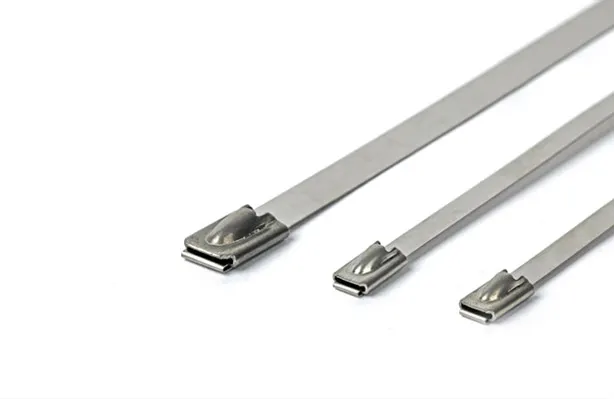
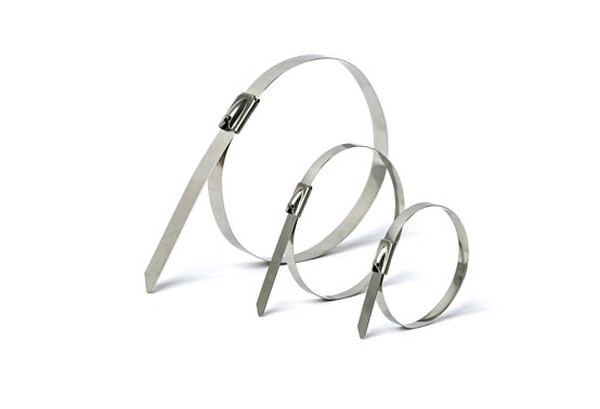
Stainless steel cable tie is mainly used for industrial binding fixed stainless steel products. Because of its stainless steel material, the stainless steel metal cable tie has stainless steel chemical corrosion resistance characteristics.
At the same time, the stainless steel wire cable ties are not limited by the shape and size of the bound object. The simple tie structure simplifies the complexity of the traditional hoop, and its good fastening performance to ensure the safety of the bound object. What's more, the anti-corrosion and high-temperature resistant materials of stainless steel cable ties ensure both aesthetic sense to the environment and fire protection requirements.
Stainless steel cable tie(ss cable tie or ss tie) is a good choice when supporting heavy loads. Stainless cable ties can withstand higher loads than its nylon counterpart.
Stainless steel zip ties are completely smooth on both sides, making them harder to grip by hand, thus you may not be able to tie them as tightly as you'd like.
We can pull the tail of the stainless zip tie with a good pair of pliers, which will help to make the tie tighter than by hand. But it is likely that no two ties will be tightened to the same level. In addition, the end of the stainless steel cable zip tie needs to be removed.
The best way is to use a steel zip tie gun. These devices pull the tie to a predetermined tightness and remove the tail, leaving no sharp edges. If you are using multiple cable ties, this is definitely the best way to increase speed and comfort.
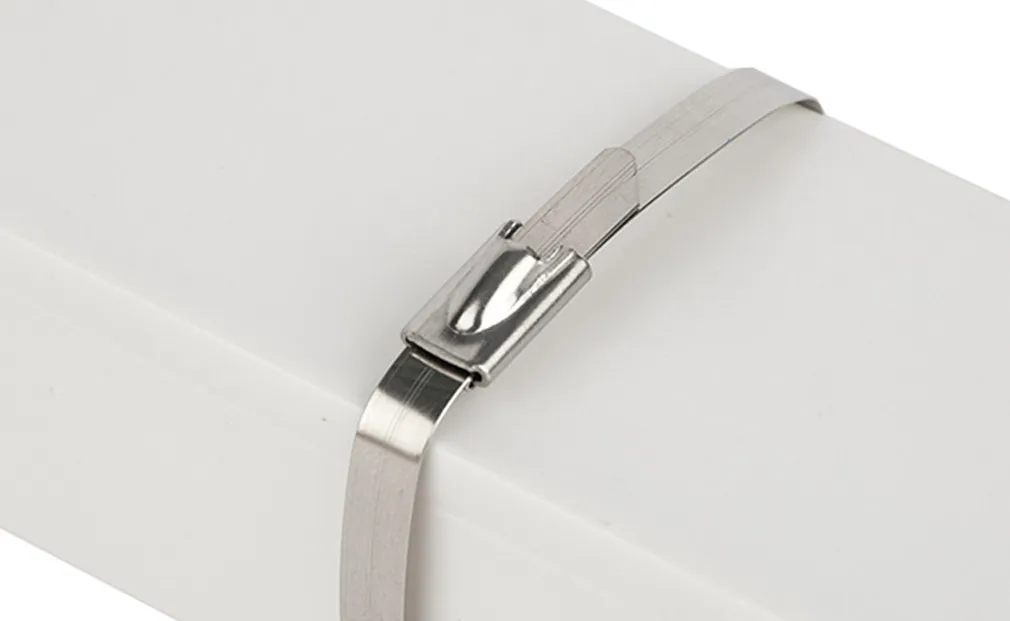
Choosing the correct material grade is critical for long-term performance.
| Comparison | 304 Stainless Steel Cable Ties | 316 Stainless Steel Cable Ties |
| Material Grade | 304 stainless steel | 316 stainless steel |
| Main Composition Difference | Chromium-nickel stainless steel | Chromium-nickel stainless steel with added molybdenum |
| Corrosion Resistance | Very good corrosion resistance for general industrial and outdoor use | Superior corrosion resistance, especially in chloride and highly corrosive environments |
| Saltwater Resistance | Suitable for many outdoor applications but less resistant to prolonged salt exposure | Better suited for marine, coastal and saltwater environments |
| Chemical Resistance | Suitable for general industrial environments and moderate chemical exposure | Better resistance to many chemicals, acids and corrosive media |
| Outdoor Use | Suitable for long-term outdoor installations | Excellent for long-term outdoor installations in harsh environments |
| Temperature Resistance | Good performance across a wide temperature range | Similar high-temperature performance with better corrosion resistance in demanding environments |
| Strength | High tensile strength for heavy-duty bundling | High tensile strength for heavy-duty bundling |
| Typical Applications | Electrical installations, solar systems, construction, machinery, transportation and general outdoor cabling | Marine, offshore, chemical processing, oil & gas, coastal infrastructure and other corrosive environments |
| Service Environment | General industrial and outdoor environments | Harsh, humid, saline or chemically corrosive environments |
| Cost | More economical | Higher cost due to higher alloy content and corrosion resistance |
| Best For | Projects requiring a balance between durability and cost | Projects where maximum corrosion resistance and long-term reliability are priorities |
Stainless steel cable technical feature brought to pitch accord with " electric equipment of boat "No. of IEC92, totally "is it mould with GB1113-85 metal cable is it bring to pitch to make " and " steel seagoing vessel enter magnitude and build norm " relevant regulation. Pitch and take the normal environment temperature of condition of work 25 degrees Centigrade - 160 degrees Centigrade, 500N of pulling force, noumenonn material ICr18Nig. Suitable for tying up the cable in the internaland external places of the room, such as in the open, humidity, high temperature,etc., wear resistancecorrosion resistance, radiation resistance, fire protection.
| Specification | Mini Loop Tensile | Specification | Mini Loop Tensile | Specification | Mini Loop Tensile | Specification | |||
| lbs | Kg | lbs | Kg | lbs | Kg | ||||
| 4.6 × 127 | 270 | 120 | 7.9 × 150 | 350 | 160 | 10 × 150 | 225 | 100 | 12 × 200 |
| 4.6 × 152 | 7.9 × 200 | 10 × 200 | 12 × 250 | ||||||
| 4.6 × 200 | 7.9 × 250 | 10 × 250 | 12 × 300 | ||||||
| 4.6 × 250 | 7.9 × 300 | 10 × 300 | 12 × 350 | ||||||
| 4.6 × 300 | 7.9 × 350 | 10 × 350 | 12 × 400 | ||||||
| 4.6 × 350 | 7.9 × 400 | 10 × 400 | 12 × 450 | ||||||
| 4.6 × 400 | 7.9 × 450 | 10 × 450 | 12 × 500 | ||||||
| 4.6 × 450 | 7.9 × 500 | 10 × 500 | 12 × 550 | ||||||
| 4.6 × 500 | 7.9 × 550 | 10 × 550 | 12 × 600 | ||||||
| 4.6 × 550 | 7.9 × 600 | 10 × 600 | 12 × 650 | ||||||
| 4.6 × 600 | 7.9 × 650 | 10 × 650 | 12 × 700 | ||||||
| 4.6 × 650 | 7.9 × 700 | 10 × 700 | 12 × 750 | ||||||
| 4.6 × 700 | 7.9 × 750 | 10 × 750 | 12 × 800 | ||||||
| 4.6 × 750 | 7.9 × 800 | 10 × 800 | 12 × 850 | ||||||
| 4.6 × 800 | 7.9 × 850 | 10 × 850 | 12 × 900 | ||||||
| 7.9 × 900 | 10 × 900 | 12 × 950 | |||||||
| 7.9 × 950 | 10 × 950 | 12 × 1000 | |||||||
| 7.9 × 1000 | 10 × 1000 | 12 × 1050 | |||||||
| 7.9 × 1050 | 10 × 1050 | 12 × 1100 | |||||||
| 7.9 × 1100 | 10 × 1100 | 12 × 1200 | |||||||
Metal zip ties can use home and industrial, most bunding cable, wire, and assemblies.
In the outdoor case that will experience extreme weather, high temperature, low temperature, stainless still zip tie can still function normally and well corrosion-resistant can be used for long time.
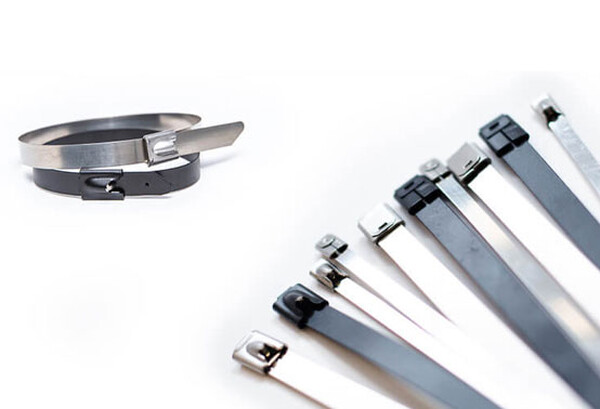
In building or boating industrial, that may access to salt/chemicals can use better corrosion-resistant performance like 316 stainless steel cable ties, or pvc coated stainless steel cable ties.
In the case need to hold heavyweight, stainless steel ties have better tensile strength than nylon ties, can at least hold 100 pounds.
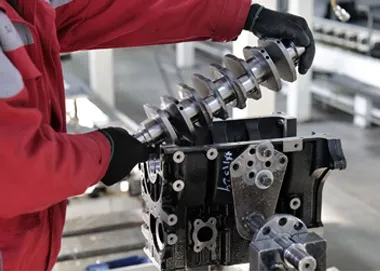

Suitable for production lines, automation equipment, control cabinets, and electrical systems.
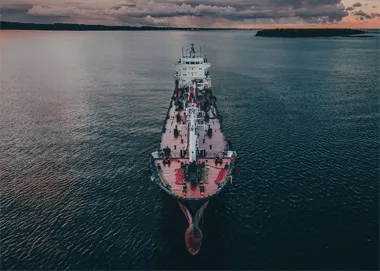

Suitable for saltwater, coastal, and offshore environments.


Provides secure cable bundling for data centers, communication rooms, and server installations.


Used in telecom towers, outdoor cabinets, fiber optic installations, and communication equipment.
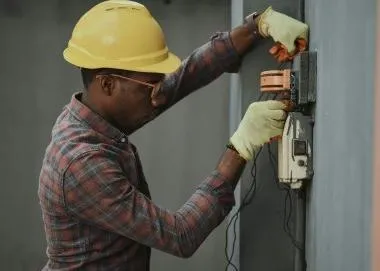

Ideal for commercial buildings, infrastructure projects, tunnels, and utility installations.


Widely used in vehicle wiring harnesses, rail transportation, heavy trucks, and industrial vehicles.


Suitable for long-term outdoor exposure in extreme temperatures, moisture, and UV conditions.
| Comparison | Stainless Steel Cable Ties | Nylon Cable Ties |
| Material | 304 or 316 stainless steel | Nylon 6/6 or other engineering nylon |
| Strength | High tensile strength, suitable for heavy-duty bundling | Moderate strength, suitable for general-purpose bundling |
| Temperature Resistance | Performs well under high and low temperatures | More limited temperature range |
| UV Resistance | Excellent for long-term outdoor use | Standard nylon may degrade under prolonged UV exposure; UV-resistant grades are available |
| Corrosion Resistance | Excellent, especially 316 stainless steel in marine and corrosive environments | Does not rust, but performance can be affected by chemicals and environmental aging |
| Weather Resistance | Excellent resistance to sunlight, rain, moisture, and harsh weather | Depends on nylon grade; weather-resistant nylon is better suited for outdoor use |
| Fire Resistance | Non-combustible metal material | Flammability performance depends on the nylon grade |
| Locking Method | Commonly uses a self-locking ball-lock or buckle structure | Commonly uses an integrated ratchet locking mechanism |
| Service Life | Suitable for long-term and permanent installations | Better suited to general and relatively less demanding applications |
| Installation | May require a stainless steel cable tie tensioning/cutting tool | Usually easy to install by hand or with a cable tie tool |
| Cost | Higher initial cost | More economical |
| Typical Applications | Marine, oil & gas, railway, solar, chemical processing, heavy machinery, outdoor cabling | Electrical wiring, electronics, household appliances, light industrial equipment, indoor cable management |
| Best For | Harsh environments, heavy loads, outdoor and long-term installations | Cost-sensitive, lightweight and general cable bundling applications |
HONT is a professional stainless steel cable tie manufacturer and supplier with extensive experience serving distributors, wholesalers, importers, industrial contractors, and OEM brands worldwide. We combine reliable manufacturing, strict quality control, and flexible customization services to help customers grow their businesses.

Over 28 years of manufacturing experience
Exported to 140+ countries
Stable supply chain
Large production capacity

304 Stainless Steel
316 Stainless Steel
Coated Stainless Steel
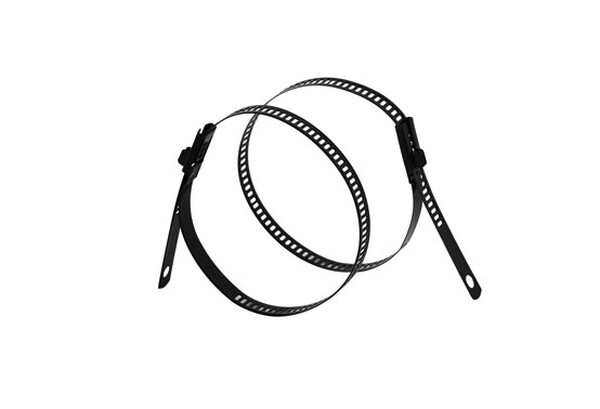
Reusable Stainless Steel Cable Ties
Heavy Duty Stainless Steel Cable Ties

Custom Packaging
Private Label Branding
Barcode Printing
Retail Packaging
Bulk Packaging

Length
Width
Material Grade
Coating Type
Packaging Quantity

Tensile Strength Testing
Material Verification
Corrosion Resistance Testing
Visual Inspection
Stainless steel cable ties are used for securing cables, wires, pipes and components in industrial, outdoor and heavy-duty applications. They are commonly used in machinery, construction, telecommunications, energy, marine and shipbuilding environments where high tensile strength, temperature resistance and corrosion resistance are required. Stainless steel zip ties are especially suitable where standard nylon ties may not provide sufficient durability.
Standard self-locking or stainless steel ball lock cable ties are generally designed for permanent fastening and are not intended to be repeatedly released and reused. However, specially designed reusable stainless steel cable ties are available for applications that require adjustment or repeated opening. Contact HONT if your project requires a reusable locking design.
Both 304 and 316 stainless steel cable ties provide good strength and corrosion resistance. 304 stainless steel cable ties are suitable for most industrial and outdoor applications, while 316 stainless steel contains molybdenum and offers better resistance to chlorides, salt spray and aggressive environments. For marine, coastal or chemical-processing applications, 316 is generally the preferred choice.
Stainless steel cable ties are highly resistant to rust and corrosion, but they are not completely corrosion-proof under every condition. The actual corrosion resistance depends on the stainless steel grade and operating environment. 304 stainless steel works well for general applications, while 316 stainless steel is recommended where the stainless steel tie may be exposed to saltwater, chlorides or more corrosive conditions.
Choose the size according to the bundle diameter, required tensile strength and installation environment. HONT offers different stainless steel cable ties sizes, including multiple lengths and widths for light, standard and heavy-duty fastening. Make sure the selected tie is long enough to wrap around the bundle while providing sufficient extra length for proper locking and tensioning.
It depends on the application. Coated stainless steel cable ties, including PVC or nylon coated stainless steel cable ties, provide an additional protective layer that can help reduce abrasion, protect cable insulation and improve handling. Uncoated stainless steel ties may be preferred where maximum temperature resistance or direct metal fastening is required.
Yes. Stainless steel cable ties are well suited for outdoor installations because they provide strong resistance to UV exposure, temperature changes, moisture and weathering. Compared with many plastic ties, steel cable zip ties are especially useful for long-term outdoor cable management, equipment fastening and infrastructure projects.
Yes. For marine, offshore and coastal applications, 316 stainless steel cable ties are generally recommended because of their improved resistance to saltwater and chloride exposure. Depending on the application, coated stainless steel ties can also provide additional surface protection and help prevent direct contact between the metal strap and cables or equipment.
The MOQ for stainless steel cable ties depends on the tie type, material grade, size, coating, packaging and customization requirements. As a stainless steel cable tie manufacturer, HONT supports bulk orders and OEM/private-label requirements. Please send us your required specifications and estimated quantity so we can confirm the applicable MOQ.
To get an accurate stainless steel cable tie price, provide the required material grade (such as 304 or 316), width, length, coating type, quantity and packaging requirements. HONT will prepare a quotation based on your specifications and order volume. For wholesale or OEM orders, contact HONT directly for current pricing and customization options.
Looking for bulk order or OEM supply?
Hont Cable Ties makes the grade with quality.
 English